Conducting Effective Quality Audits in Janitorial Operations
 Alejandro Bremer
 Alejandro Bremer
Introduction
Quality audits in janitorial operations are essential for ensuring cleanliness and compliance across facilities. With increasing demands for transparency, these audits not only help maintain standards but also foster accountability among staff and management.
Understanding Quality Audits
Quality audits serve as a systematic review of janitorial processes and performance. They help identify strengths and weaknesses, ensuring that operations meet established standards. Conducting these audits effectively can lead to improved service delivery and customer satisfaction.
Defining Objectives
- Set Clear Goals: Identify what you aim to achieve with the audit.
- Focus on Key Areas: Prioritize areas that impact cleanliness and user experience.
- Engage Stakeholders: Include input from team members and facility users for comprehensive insights.
Developing an Audit Checklist
A well-structured checklist is a cornerstone of effective quality audits. It provides a framework for consistency and thoroughness.
- Include Essential Elements: Areas to assess, such as restrooms, lobbies, and offices.
- Scoring System: Establish criteria for evaluating performance, such as satisfactory, needs improvement, and unsatisfactory.
- Frequency of Audits: Determine how often audits should be conducted based on the facility's usage and needs.
Training Your Team
An informed and trained team is vital for successful audits. Ensure staff understands the importance of quality standards.
- Conduct Regular Training Sessions: Focus on cleaning protocols and audit processes.
- Foster a Culture of Accountability: Encourage team members to take ownership of their roles.
- Provide Resources: Make sure staff has access to the necessary tools and information.
Implementing Technology
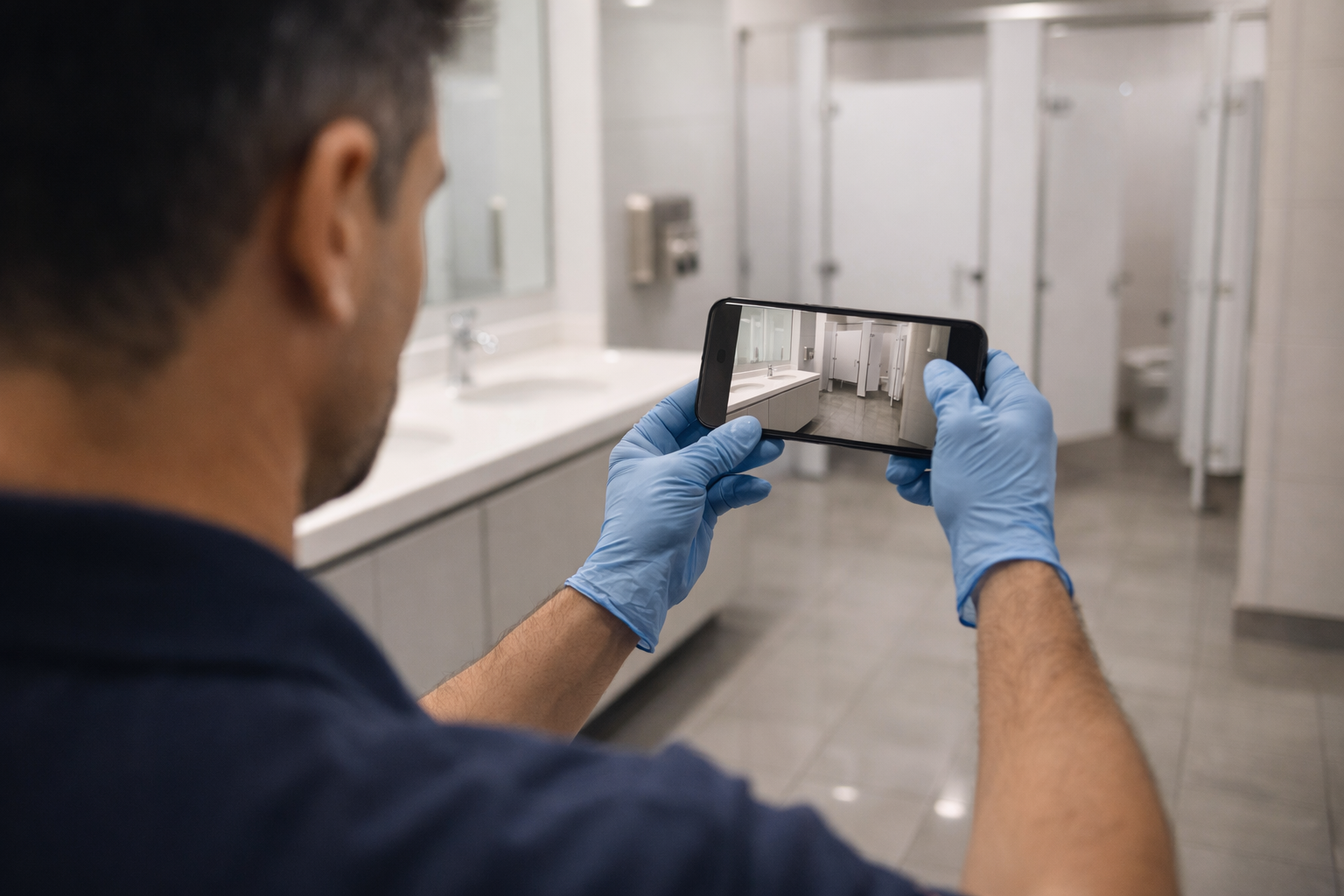
Leverage technology to streamline the auditing process. Many software solutions can enhance efficiency and accuracy.
- Digital Checklists: Use apps for real-time data collection.
- Performance Tracking: Implement software that allows for monitoring of service delivery.
- Data Analysis: Analyze audit results to identify trends and areas for improvement.
Real-World Scenario
Consider a facility manager at a corporate office who implemented weekly quality audits. By utilizing a digital checklist, the team identified recurring issues in restroom cleanliness. With targeted training and specific accountability measures, they improved scores from 70% to 90% within three months, demonstrating how consistent audits can yield significant improvements.
Common Mistakes
Avoid these pitfalls to enhance your audit process:
- Lack of Clear Objectives: Failing to define what you want to achieve can lead to unfocused audits.
- Infrequent Audits: Conducting audits too rarely can allow issues to fester unnoticed.
- Ignoring Team Feedback: Staff insights can provide valuable perspectives on operational challenges.
- Neglecting Follow-Up: Without follow-up actions, improvements may not be sustained.
What to Do This Week
Take actionable steps to enhance your quality audits:
- Review and Update Your Audit Checklist: Ensure it reflects current standards and practices.
- Schedule Training Sessions: Focus on areas identified as needing improvement.
- Implement a Digital Audit Tool: Streamline data collection and improve efficiency.
- Gather Team Feedback: Conduct a quick survey to understand team challenges.
- Plan a Follow-Up Audit: Schedule it to assess improvements and adjustments made.
Conclusion
Quality audits in janitorial operations are a vital component of maintaining standards and accountability. By implementing the strategies outlined above, facility managers can enhance oversight and foster a culture of excellence. Discover how FotoFinish can further enhance your operational transparency and promote peace of mind.