Strategies for Sustaining Quality Control in High-Traffic Areas
 Alejandro Bremer
 Alejandro Bremer
Introduction
In the realm of facility management, maintaining cleanliness and order in high-traffic areas is essential. These spaces not only reflect the organization’s standards but also impact employee productivity and visitor satisfaction. Effective quality control strategies are crucial for ensuring these areas remain inviting and functional.
Understanding Quality Control Strategies
Quality control in janitorial operations encompasses systems and practices aimed at maintaining standards in cleanliness and service. In high-traffic areas, the stakes are higher, as these spaces are prone to rapid degradation.
Assessing the Environment
- Conduct Regular Audits: Schedule weekly inspections to assess cleanliness and functionality. This provides a benchmark for quality.
- Utilize Checklists: Implement detailed cleaning checklists tailored for high-traffic areas. These should outline specific tasks and frequency.
Training and Development
- Staff Training: Regularly train staff on best practices for cleaning and maintenance, focusing on techniques that address high-traffic challenges.
- Empowerment: Encourage staff to take ownership of their areas. This fosters accountability and a sense of pride in their work.
Technology Integration
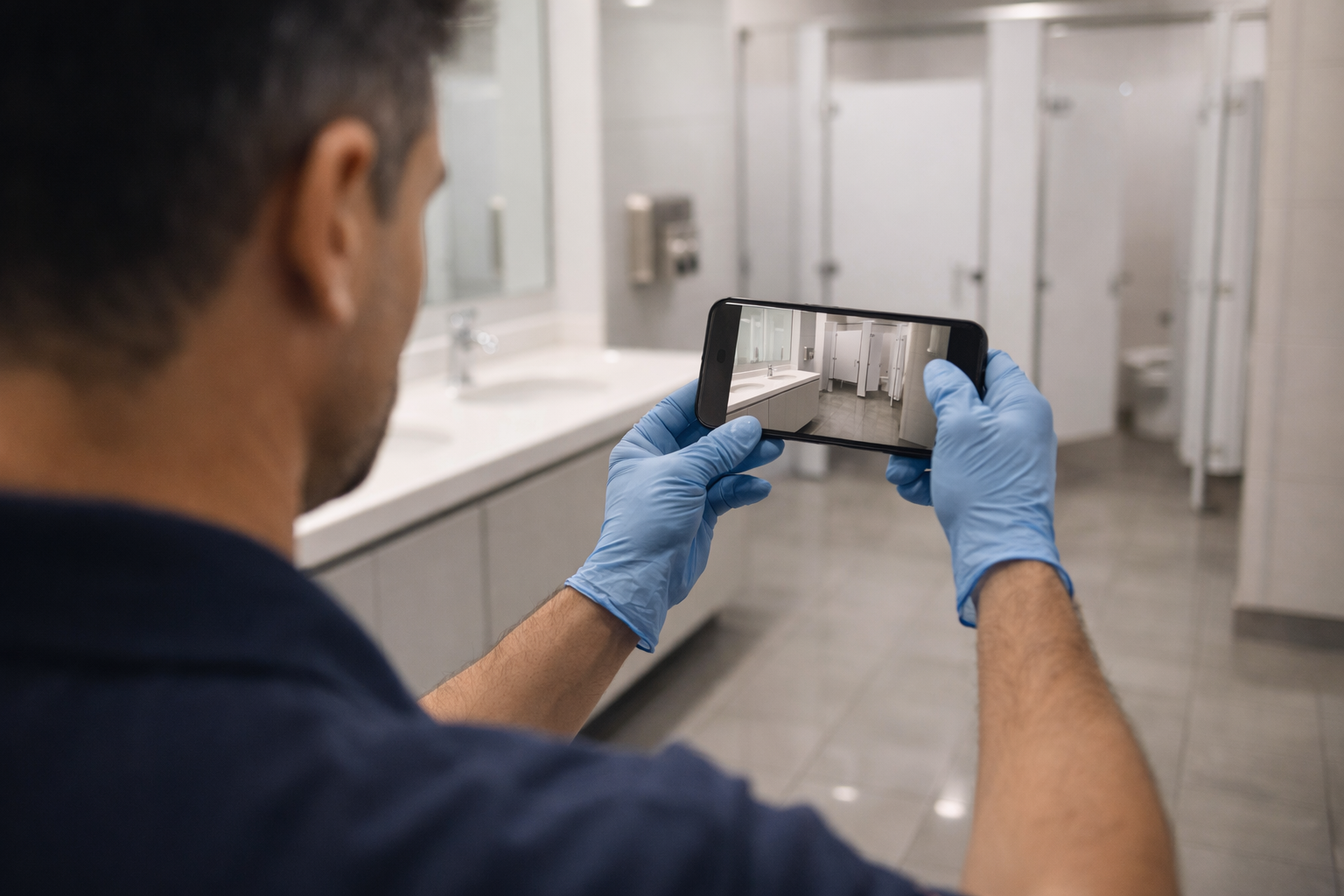
- Use of Software: Implement platforms like FotoFinish that enhance tracking and reporting of cleaning tasks and standards.
- Real-Time Feedback: Utilize mobile apps to allow staff to report issues immediately, ensuring prompt action can be taken.
Scheduling and Resource Management
- Strategic Scheduling: Clean high-traffic areas during off-peak hours to minimize disruption while maximizing effectiveness.
- Resource Allocation: Ensure adequate supplies and equipment are readily available, avoiding delays in addressing cleanliness issues.
Customer Feedback Loop
- Solicit Feedback: Regularly gather feedback from employees and visitors about cleanliness and service quality. This can guide improvements.
- Act on Feedback: Establish a process for addressing concerns raised by users of the space, demonstrating responsiveness to their needs.
Real-World Scenario
Consider a corporate office that hosts multiple clients daily. The facility manager implemented a rigorous quality control strategy, including daily audits and a mobile feedback system. After receiving consistent comments about restroom cleanliness, they adjusted cleaning schedules and provided additional training to staff. As a result, restroom satisfaction scores improved significantly, leading to a better overall impression of the office.
Common Mistakes
- Neglecting Staff Training: Failure to properly train cleaning staff can lead to inconsistent practices.
- Ignoring Feedback: Disregarding user feedback can perpetuate cleanliness issues and dissatisfaction.
- Inadequate Resources: Not having enough cleaning supplies can result in rushed, subpar cleanings.
- Overlooking Scheduling: Cleaning during peak hours disrupts operations and may compromise the quality of service.
What to Do This Week
- Review and update cleaning checklists for all high-traffic areas.
- Schedule a staff training session focused on high-traffic cleaning techniques.
- Launch a feedback survey for employees and visitors about cleanliness standards.
- Check inventory of cleaning supplies and reorder as necessary.
- Adjust cleaning schedules to ensure high-traffic areas are serviced at optimal times.
Conclusion
Sustaining quality control in high-traffic areas is a multifaceted challenge that requires diligence and strategic planning. By implementing these actionable strategies, facility managers can enhance their oversight and ensure that these critical spaces reflect the organization’s commitment to excellence.
Discover how FotoFinish can enhance your facility’s oversight and promote peace of mind.